Does Refinishing Antique Furniture Hurt Its Value?
· Dale's Furniture Refinishing
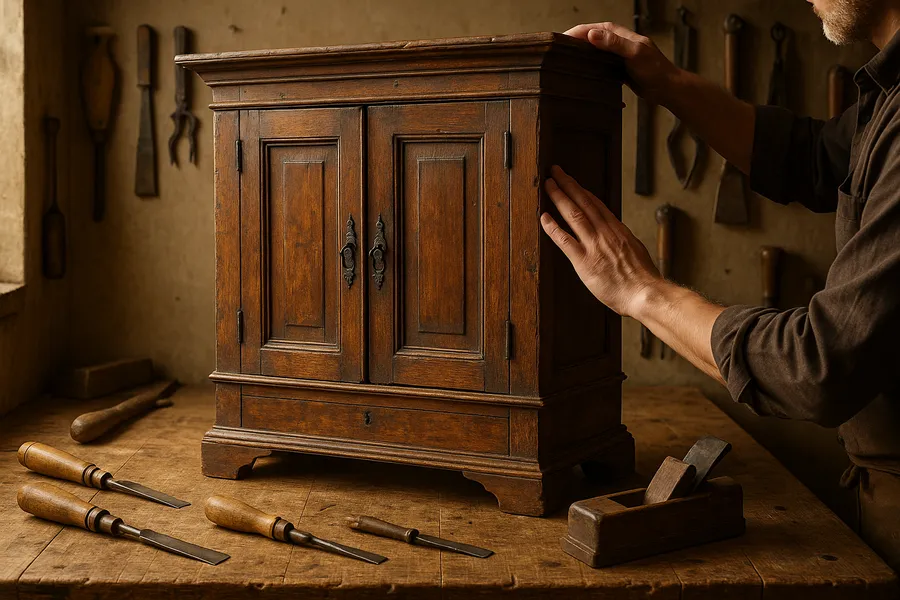
It’s one of the most common questions I hear in the shop, and one of the most misunderstood. Someone inherits a piece from a grandparent, or picks up something old at an estate sale, and before they’ll let me touch it they want to know: will refinishing this ruin what it’s worth? They’ve usually seen a TV show where an expert winces at a stripped-down antique and knocks thousands off the appraisal.
After more than 40 years restoring furniture here in Saint Paul, here’s my honest answer: it depends on the piece, and the biggest mistake people make is treating every old thing the same way. A blanket rule in either direction (“never refinish an antique” or “just strip it and make it look new”) will lead you wrong. Let me explain how I actually think it through.
What Collectors Are Really Worried About
The concern is real, and it’s worth understanding. For a genuine, high-value antique, a lot of the value can live in the original finish and the patina it has developed over a century or more. Patina is the soft depth wood earns from decades of light, wax, handling, and honest age. To a serious collector, that surface is part of the historical record of the piece. It can’t be manufactured, and once it’s gone, it’s gone for good.
So on that specific kind of piece, aggressively stripping it down to bare wood and coating it in a modern polyurethane can absolutely reduce its collector value. You’ve traded an irreplaceable original surface for a brand-new plastic-looking one. In cases like that, conservation is often worth more than refinishing. That means gentle cleaning, reviving the finish that’s already there, and making small, careful repairs rather than starting over.
But, and this is the part the TV shows leave out, that situation applies to a minority of pieces.
Most Furniture Is Not a Museum Piece
The vast majority of what comes through my door is not a rare, signed, museum-grade collectible. It’s everyday family furniture and good used solid-wood pieces: dressers, dining tables, desks, chairs, and cabinets from the last hundred years or so. These were built well, they’re absolutely worth keeping, but their value was never resting on an untouched original finish.
For those pieces, sympathetic restoration or refinishing usually improves both usability and value. And here’s an important distinction people miss: a worn, cracked, flaking, water-stained finish is not the same thing as “original patina worth preserving.” Genuine patina is a healthy aged surface. A finish that’s failing, sticky, or half gone is just damage. Preserving damage doesn’t honor a piece. Bringing it back to life does.
I never want to scare someone out of restoring a piece that should be restored. Far more often, the mistake I see is the opposite: people leave a solid, meaningful piece to keep deteriorating in a basement because they’re afraid a little care will hurt it. If it’s a good piece you love and use, that fear is usually misplaced.
The Spectrum: Conserve, Restore, or Refinish
I find it helps to think of the work as a spectrum rather than a yes-or-no choice.
- Conserve or preserve. Clean gently, stabilize the existing finish, repair only what’s needed. Best for genuine high-value antiques with a sound original surface.
- Sympathetically restore. Keep the character and, where possible, the original finish, while addressing damage and using traditional, period-appropriate materials. The middle path, and often the right one for a nice older piece.
- Full refinish. Strip back and build a fresh finish. The right call for everyday solid-wood furniture, pieces with a finish that’s beyond saving, or anything you simply want to use hard for years to come.
The materials matter just as much as how far you go. Reversible traditional finishes like shellac, and a hand-rubbed French polishing finish, keep an antique true to itself. They can be repaired and even removed later without harsh chemicals, so nothing is permanent. A thick, modern, plastic-looking polyurethane is the opposite. It’s durable, but it’s the finish a purist frowns on for a real antique, and it’s not easily undone. When I take on antique furniture restoration, matching the character of the original is the whole point.
A Simple Way to Sort Your Piece
Here’s roughly how I’d help you decide which camp your piece falls into.
Refinishing usually helps when:
- It’s everyday solid-wood furniture rather than a rare collectible.
- The existing finish is worn out, damaged, sticky, or already partly gone.
- You want to actually use the piece, not display it behind glass.
- The value is sentimental and family-based rather than driven by the collector market.
- A comparable new piece of the same quality would be expensive.
Pause and preserve when:
- The piece may be a genuine, sought-after antique with an intact original finish.
- It’s signed, documented, or from a known maker or period.
- The old surface is aged but still sound, not failing.
- You’re thinking about eventually selling it to serious collectors.
- You simply don’t know yet, in which case find out before doing anything.
When In Doubt, Get It Appraised First
Here’s the honest and important part: I’m a craftsman and restorer, not a certified appraiser, and neither is anyone who tells you your piece’s exact market value on the spot. If there’s a real chance your piece is a valuable collectible, get it appraised by an independent appraiser before any work is done, mine or anyone else’s. A good appraisal tells you which camp you’re in, and it costs a lot less than a mistake on a rare piece.
For sentimental family pieces, the calculation is different and simpler. Usefulness and meaning almost always matter more than resale. If it’s the table your family has gathered around for generations, the goal isn’t to protect a hypothetical auction price. It’s to keep it in service and beautiful for the next generation. That’s exactly the kind of work I love most, and it’s a big part of why an old piece is often worth saving.
What I can do, honestly and for free, is give you a straight read on which camp your piece seems to fall into, so you know whether to call an appraiser first or just get it restored. If you want to understand the traditional finish that keeps antiques authentic, what French polishing is is a good place to start.
Let’s Take an Honest Look at Your Piece
If you’ve got an old piece and you’re worried about doing the wrong thing, the smartest first step is to get an experienced set of eyes on it before anything happens.
Call me at (651) 748-9465, stop by the shop at 622 Como Ave #1 in Saint Paul, or send a few photos through the contact page for a free, honest assessment. I’ll tell you straight whether your piece is one to preserve, one to restore, or one to have appraised first. Either way, you’ll know what you’re dealing with before a single tool touches the wood.